Two teams, one set of meter data, a nine per cent gap. A 2019 factor nobody had retired.
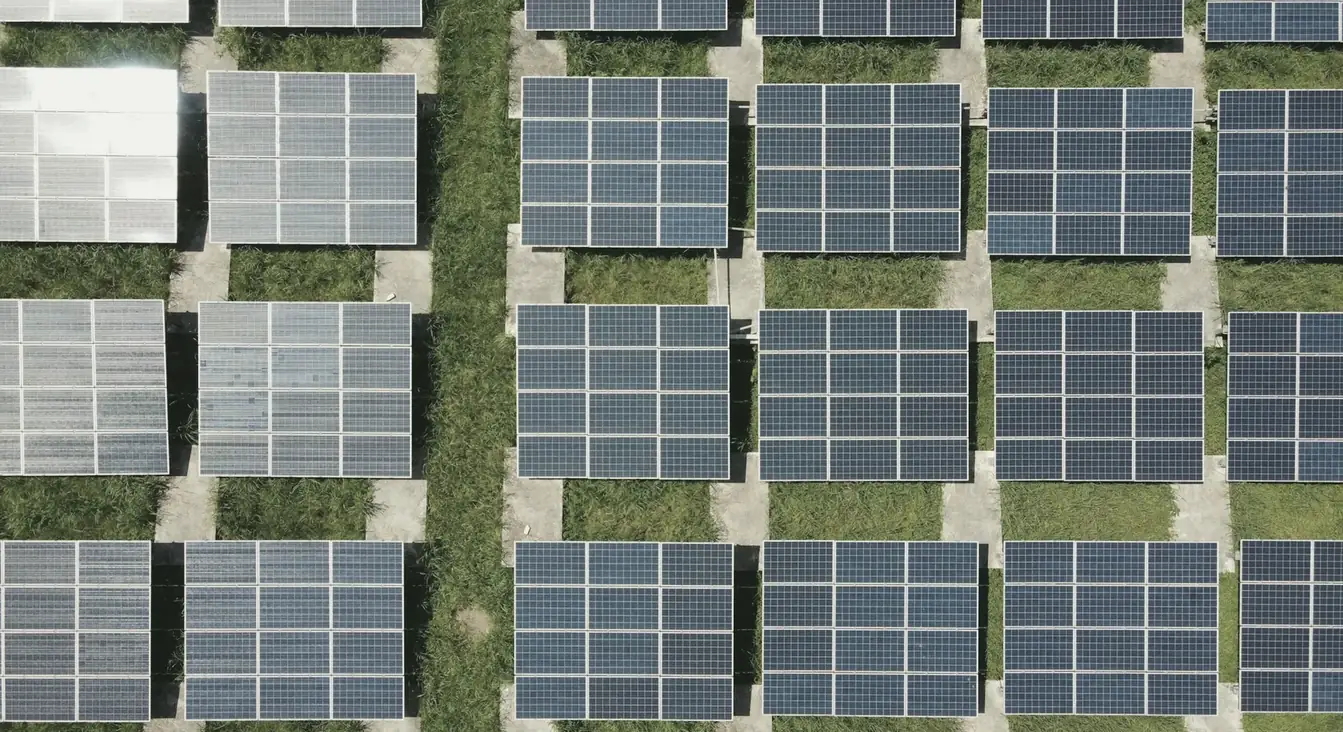
A client asked two firms to calculate the same Scope 2 figure from the same meter exports, as a check. The answers differed by nine per cent. Both arithmetics were correct. The models were, for practical purposes, identical.
The difference was a single emission factor. One team had used the current published set; the other was still carrying a 2019 grid factor in a lookup table that nobody had been asked to maintain. Nine per cent of a corporate electricity footprint, sitting in a cell no one had looked at in four years.
Rarely in the places people audit. The model gets reviewed every year because the model is the part everybody can see; the lookup table feeding it sits in a different file, belongs to nobody in particular, and has not been opened since the person who built it moved on.
Every figure carries its factor, the source it came from and the date that source was published. It is a dull document and it answers the only question that mattered in the example above — which, incidentally, took eleven minutes to settle once both registers were put side by side.
The factor set is versioned, so last year's number can be rebuilt exactly. Without that, a comparative is just a number that resembles the old one.
The prior year has to be rebuilt on the same basis or labelled as not comparable. Updating this year's factor while leaving last year's in place produces an improvement that nobody achieved, and an assurer will find it by doing exactly what the client above did.

Twenty minutes, and nobody quotes in it.