Impact case
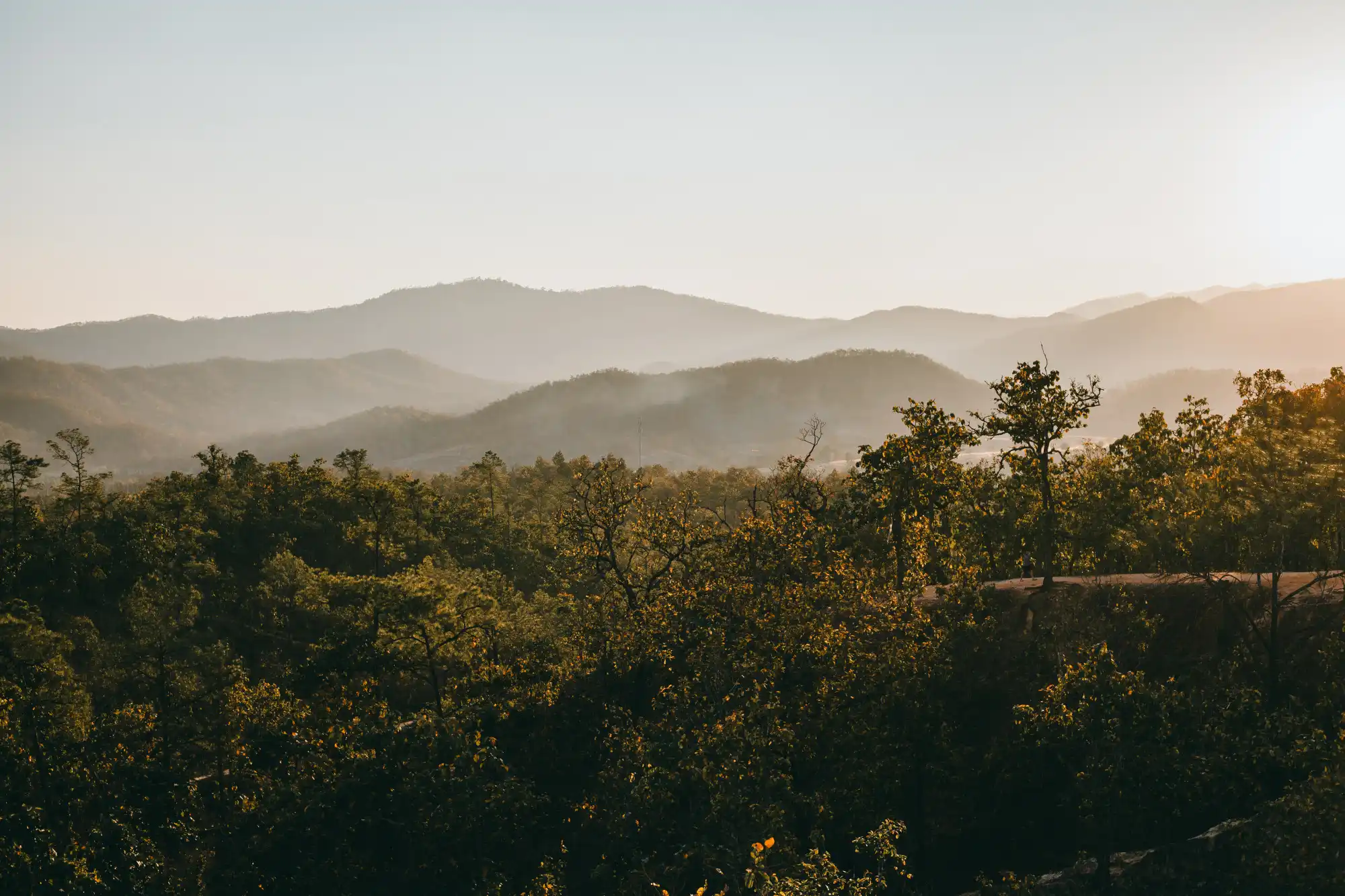
Survival at year three · 1,240 ha across four upland sites
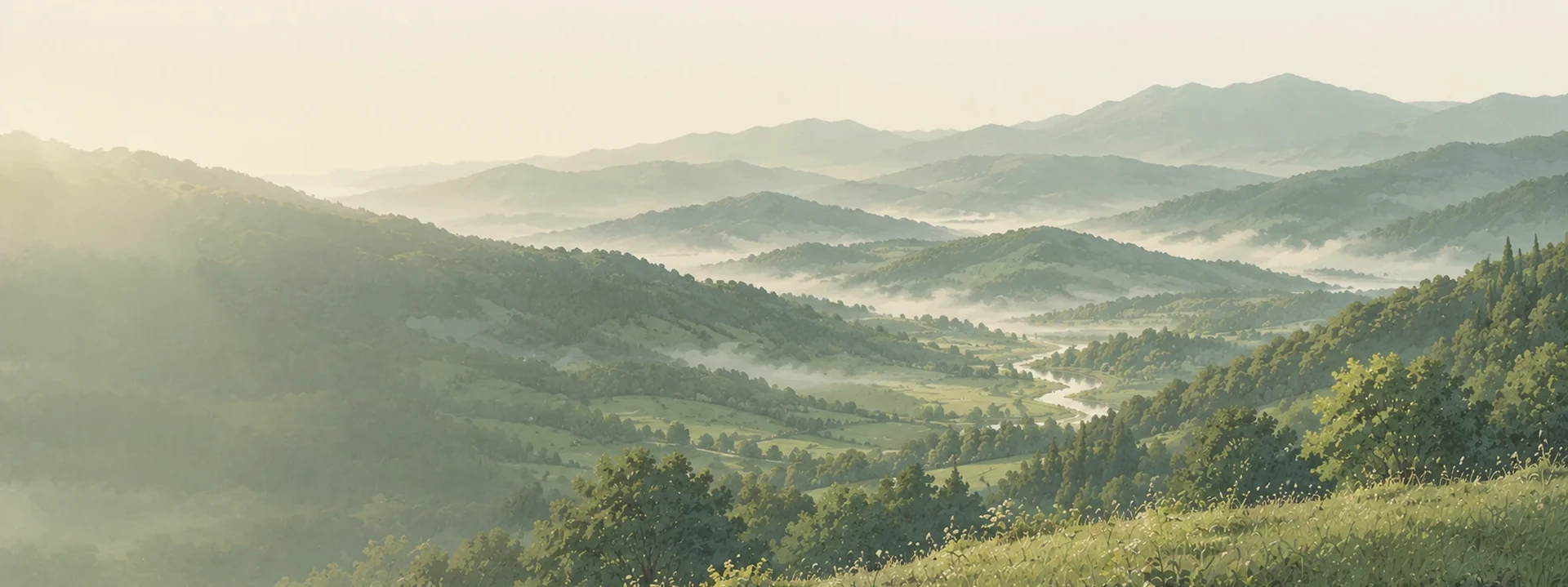
Mixed native planting, counted on the ground at year three rather than at the moment of planting. The eighteen per cent that did not take is in the file too.
One thousand two hundred and forty hectares of mixed native planting across four upland sites. The planting figure was available on day one and would have made a better headline. The survival figure took three years, a hundred and sixty fixed sample plots and several weeks of walking, and it is the only one of the two that means anything.
Eighty-two per cent came through. The other eighteen per cent is in the file with the rest, broken down by site and by species, because a programme that only reports its successes is reporting half a result.
Plot locations were fixed before planting, which matters more than it sounds: plots chosen afterwards are chosen where the trees are. Fixing them in advance means the sample includes the exposed corner nobody particularly wants to walk to, and that corner is usually where the survival figure is decided.
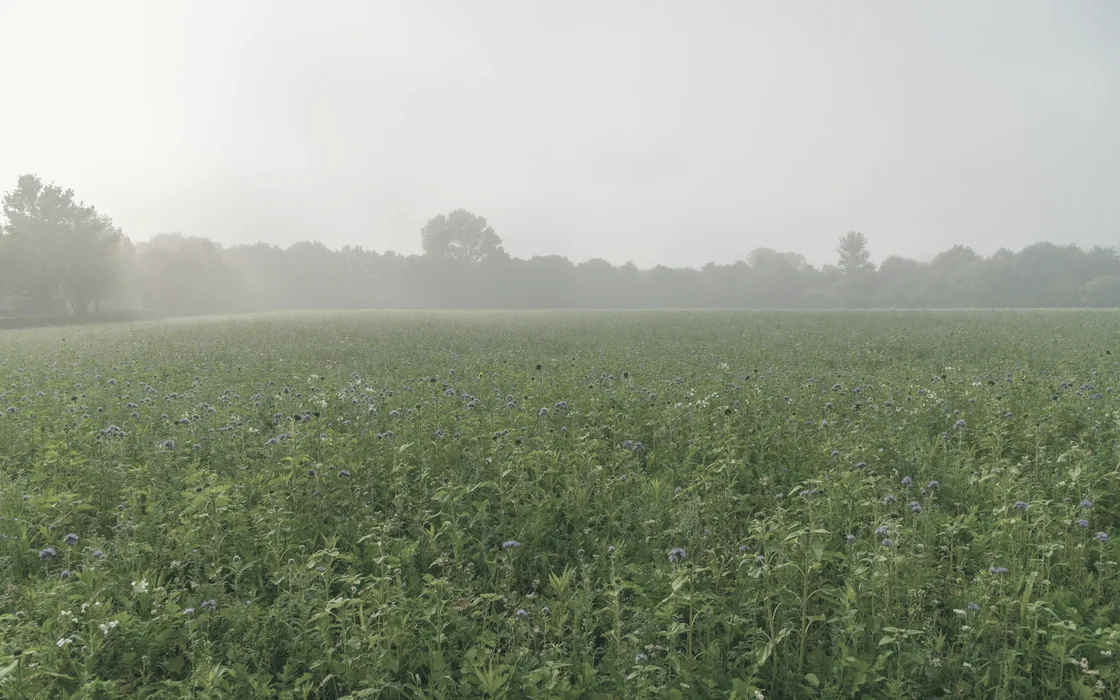
Sequestration. This is a survival figure, not a carbon one. The tonnage these sites will hold is modelled, the model is named in the file, and it carries a range rather than a single number — and it will not be reported as an achieved reduction while the trees are nine years short of maturity.
Anyone can report how many trees went in. The honest figure is how many are still standing when nobody is watching the site.
The plot register with its original coordinates, the year-three counts, the failure analysis by site, and a management obligation written into the land agreements for the remaining term.
The people who signed off the figures, on what the work was like to sit through.
They opened with the three numbers in our last report they could not stand behind. It was an uncomfortable hour and it saved us a correction.


Our Scope 3 was a spend model wearing a measurement badge. They replaced the half of it that mattered and left the rest labelled as an estimate.


The disclosure draft came back with the caveats in the body rather than a footnote. Our board asked better questions because of it.